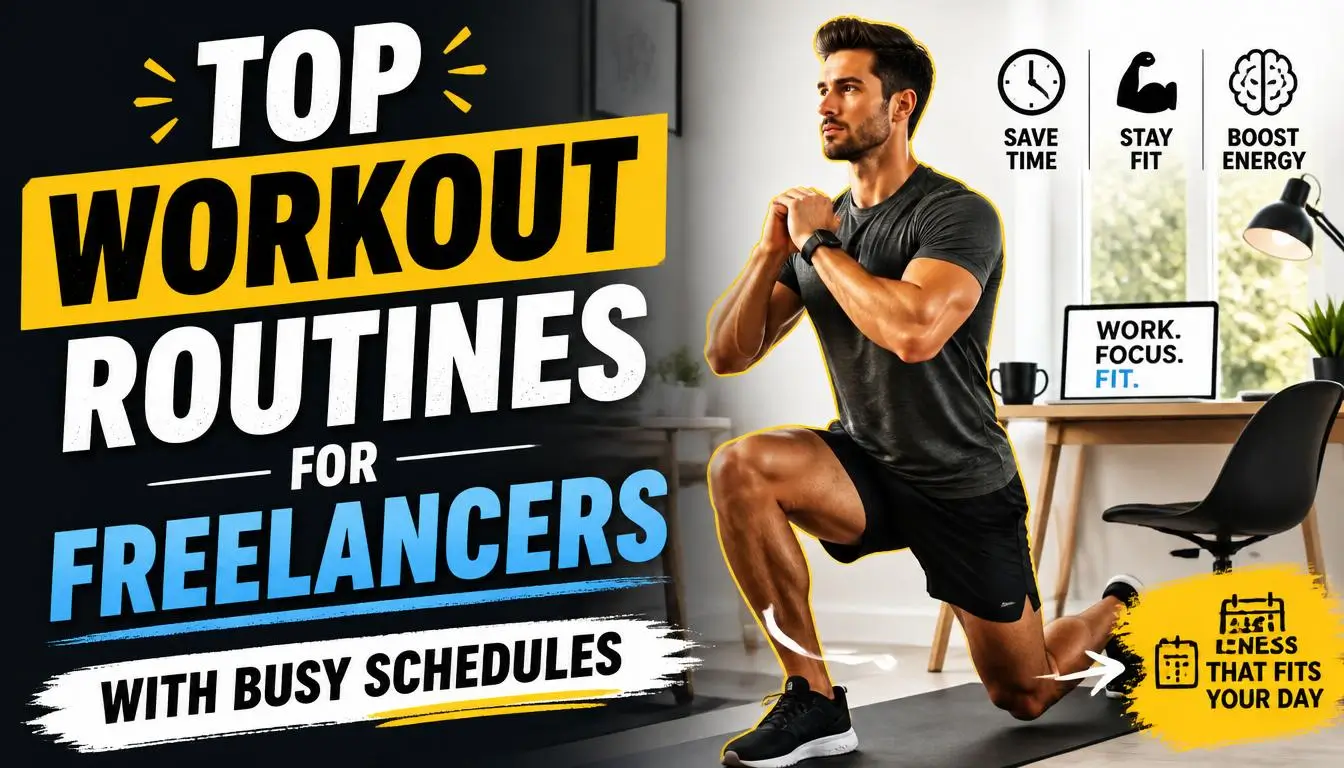

Finding foolproof fitness plans for people with only one day feels like hunting for a unicorn. I get it. Between work, kids, commutes, and that desperate need for sleep, carving out gym time seems impossible. But here’s what I learned after months of single-day training: one strategic workout beats zero workouts every time. Your body doesn’t need daily punishment. It needs consistency and smart programming.
Why One Day a Week Actually Works for Fitness
Most fitness advice assumes you have three to five days available. Reality check: many of us don’t. And that’s okay.
Training once weekly triggers what exercise scientists call the “minimal effective dose.” Your muscles still get the stimulus they need to maintain and even build strength. A 2021 study in Sports Medicine found that weekly training volume matters more than frequency. Meaning one solid session can match three shorter ones for certain goals.
I started single-day training out of necessity when my second kid arrived. Eight months later, my deadlift actually went up. Not dramatically, but it went up. The key was making every minute count and stopping the guilt spiral about skipped days.
Full-Body Strength: The Ultimate One-Day Workout
This is my go-to foolproof fitness plan for people with only one day available. Full-body training hits every major muscle group in one session, so nothing gets neglected throughout the week.
The structure is simple: compound movements that work multiple joints and muscles simultaneously. Think squats, deadlifts, rows, presses, and carries. Skip the bicep curls and calf raises. You need efficiency, not isolation work.
Here’s what a typical session looks like for me:
- Goblet squats or barbell back squats: 3 sets of 8
- Romanian deadlifts: 3 sets of 10
- Dumbbell bench press: 3 sets of 8
- Bent-over rows: 3 sets of 10
- Farmer’s carries: 3 rounds of 40 yards
- Plank holds: 3 sets of 30-45 seconds
Total time: about 45 to 55 minutes including warmup. I rest 90 seconds between sets and superset the bench press with rows to save time. The farmer’s carries at the end are non-negotiable because they build grip strength, core stability, and mental toughness all at once.
The HIIT Hybrid Approach
Some weeks I need conditioning more than pure strength. That’s when I swap to a HIIT-style full-body circuit that leaves me gasping but satisfied.
This approach combines resistance training with cardio intervals. You keep moving, your heart rate stays elevated, and you torch calories while building functional fitness. It’s brutal but quick.
My preferred circuit:
- Kettlebell swings: 15 reps
- Push-ups: 12 reps
- Jump squats: 10 reps
- Renegade rows: 8 reps per side
- Mountain climbers: 20 reps total
Run through that circuit four to five times with minimal rest between exercises. Take 90 seconds between full rounds. The whole thing wraps up in 30 to 35 minutes. I use a 35-pound kettlebell for swings and 25-pound dumbbells for the rows. Adjust based on your current fitness level.
The magic here is density. You’re packing significant work into a compressed timeframe. Your body adapts to this stress by improving both strength and cardiovascular capacity. FYI, you’ll be sore the next day. Embrace it.
How to Structure Your Single Workout Day
Picking which exercises to do matters less than how you organize them. A random mishmash of movements won’t serve you well.
Warmup first. Always. I spend five to seven minutes on mobility work: hip circles, arm swings, bodyweight squats, and some light jumping jacks. Cold muscles don’t perform well and they’re more injury-prone. Skipping warmup is how I tweaked my lower back two years ago. Lesson learned.
Prioritize big movements early. Your heaviest, most demanding exercises go first when you’re freshest. Squats before lunges. Deadlifts before leg curls. Bench press before tricep work. This isn’t negotiable.
End with conditioning or core. Save carries, planks, or cardio finishers for the end. They don’t require the same neural freshness as your main lifts. Plus, ending with something sweaty feels satisfying. You walk out knowing you left nothing on the table.
Equipment Options: Gym vs. Home
Your training location shapes your options, but both work perfectly fine for single-day programming.
Gym access gives you barbells, cable machines, and a full dumbbell rack. This is ideal for progressive overload since you can add small weight increments over time. Most commercial gyms have everything you need for the full-body strength protocol I outlined above.
Home training requires creativity but delivers results. A pair of adjustable dumbbells like Bowflex SelectTech or PowerBlocks covers most bases. Add a kettlebell in the 25 to 45 pound range and a pull-up bar, and you’re genuinely set. Resistance bands work great for warm-ups and adding challenge to basic movements.
I split my time between both. Sundays usually mean home workouts because dragging myself to the gym feels harder. Having equipment at home removes that barrier. Even a single 35-pound kettlebell unlocks dozens of effective exercises.
Foolproof Fitness Plans for Different Goals
Not everyone wants the same outcome. Your once-weekly session should align with what actually matters to you.
Goal: Maintain Current Fitness
Keep doing what got you here, just compressed. Maintain your current weights and rep ranges. Focus on the big lifts and skip accessory work entirely. Two to three exercises for upper body and two to three for lower body will preserve muscle and strength for months.
Goal: Build Strength
Progressive overload becomes critical. Add weight, reps, or sets systematically over time. Track everything in a notebook or app like Strong. Even adding five pounds to your squat monthly adds up to 60 pounds over a year. That’s significant progress from just 52 workouts.
Goal: Lose Body Fat
Pair your single training day with reasonable nutrition. The workout itself should emphasize circuits or supersets to keep your heart rate elevated. High-rep compound movements create metabolic stress that boosts calorie burn for hours afterward. But honestly, nutrition does the heavy lifting for fat loss. Your one workout supports the process but doesn’t drive it alone.
Common Mistakes to Avoid
I’ve made all of these. Save yourself the trouble.
Going too hard, too fast. When you only train once weekly, the temptation is to destroy yourself each session. This leads to excessive soreness that lasts days and eventual burnout. Train hard but leave one rep in the tank most sets.
Skipping warmups to save time. You don’t actually save time when you’re injured and can’t train for three weeks. Those five minutes matter.
Changing your workout constantly. Muscle confusion is mostly a myth. Your body adapts best to consistent stimuli applied progressively. Run the same program for eight to twelve weeks before switching. Track your numbers so you actually know if you’re improving.
Ignoring recovery. Sleep and nutrition matter even more when you train infrequently. Your body rebuilds during rest. Seven to eight hours of sleep and adequate protein intake make your single session count.
Sample 12-Week Progression
Here’s exactly how I structure a three-month training block when I’m limited to one day weekly.
Weeks 1-4: Establish baseline weights. Use weights that feel challenging but controlled. Aim for 3 sets of 8-10 reps on main lifts. Focus on perfecting form.
Weeks 5-8: Add weight or reps. Increase your main lifts by 5-10 pounds or add one rep per set. The stimulus should feel harder than month one.
Weeks 9-12: Push intensity. Work up to heavier sets of 5-6 reps on compounds. Add an extra set if time permits. This phase builds actual strength.
Week 13: Deload. Cut volume in half. Light weights, fewer sets. Let your body fully recover before starting a new cycle.
This structure works because it provides clear direction. You know exactly what to do each session without making decisions on the fly. Decision fatigue kills consistency. IMO, having a written plan is half the battle.
FAQs
Can I really get fit working out just one day per week?
Yes, but expectations matter. You won’t win bodybuilding competitions or run ultramarathons. However, you’ll maintain solid fitness, build respectable strength, and feel genuinely good. For busy adults juggling real responsibilities, one great workout weekly beats sporadic training or giving up entirely. Consistency trumps frequency every time.
What’s the best workout split for once-weekly training?
Full-body wins by a landslide. Training one muscle group per week means waiting seven days between stimulus, which works fine. But splitting body parts when you only have one day makes zero sense. Hit everything each session with compound movements that target multiple muscles simultaneously.
How long should my single workout be?
Aim for 45 to 60 minutes of actual training, not counting warmup and cooldown. That’s enough time to hit all major muscle groups without turning your session into a marathon. Quality beats quantity. Focused intensity matters more than time spent wandering between machines.
Are foolproof fitness plans for people with only one day enough to build muscle?
They’re enough to build some muscle, especially if you’re newer to training or returning after a break. Advanced lifters might struggle to add significant mass, but they’ll maintain what they have. Proper nutrition and progressive overload maximize your results from limited training frequency.
Should I do cardio on my only workout day?
Weave conditioning into your strength work instead of separating them. Supersets, circuits, and finishers like kettlebell swings or rowing sprints add cardiovascular challenge without eating into your training time. Pure strength followed by 10 minutes of hard conditioning covers all your bases efficiently.
Conclusion
One day works. It’s not ideal for competitive athletes, but it’s perfect for real people with packed schedules who refuse to abandon their fitness entirely. Pick a program, show up weekly, track your progress, and watch what happens over six months. What’s stopping you from starting this Sunday?